


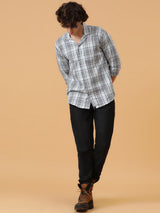


Winter layering is not about wearing more clothes. It is about wearing the right clothes in the right order so your body stays warm, comfortable, and relaxed through changing temperatures. Anyone who has stepped out on a cold morning and felt sweaty by noon already knows why layering in winter matters.
The real challenge of winter dressing is balance. Too little and you freeze. Too much and you feel heavy, trapped, and uncomfortable. Smart winter layering gives you control. You can step into the cold, walk into a warm room, or sit through a long commute without feeling like you dressed wrong. Once you understand winter outfit layering, winter stops feeling like a struggle and starts feeling manageable.
The Three-Layer System Explained
Every good winter outfit follows one simple idea. Layers should work together, not compete. The three layer system exists to keep you warm without bulk and flexible without effort. It works whether you are dressing for daily errands, office days, or long travel plans.
Base Layer: Staying Warm and Dry
The base layer is the quiet hero of winter layering. It sits closest to your skin and handles the one thing that ruins winter comfort fast moisture. Even in cold weather your body sweats. If that moisture stays trapped, you feel cold very quickly.
A good base layer feels light, soft, and close to the body. It should never feel tight or restrictive. Think of it as temperature control rather than insulation. When done right, it keeps your body dry and helps every other layer work better.
Mid Layer: Insulation and Comfort
This is where warmth actually builds. The mid layer traps heat and creates those tiny pockets of warm air that keep you comfortable through the day. Sweaters, sweatshirts, knits, and light fleece styles usually live here.
Mid layers are also where winter outfit layering starts to look stylish. Texture, color, and fit show up here. The goal is warmth without stiffness. You should still be able to move easily, sit comfortably, and layer more if needed.
Outer Layer: Protection from Wind and Cold
The outer layer is your shield. It blocks wind, cold air, and light moisture. Without it, even the best inner layers fail. A good outer layer protects without suffocating the outfit underneath. This layer should feel structured but not heavy. You should be able to open it, remove it, or carry it easily as temperatures shift. This flexibility is key to smart layering in winter.
Best Fabrics for Winter Layering
Instead of memorising fabric names or getting stuck in technical details, it helps to think of winter fabrics by what they actually do for you during the day.
Good fabrics make winter layering feel invisible. Bad ones remind you constantly that you dressed wrong.
At a functional level, fabrics used in winter layering usually fall into three roles. Some manage moisture close to the skin, some hold warmth without feeling heavy, and others protect you from cold air and wind without cutting off breathability.
Base layer fabrics need to breathe and stay gentle on the skin because they sit with you all day. If this layer traps sweat, even the warmest outfit starts feeling uncomfortable.
Mid layer fabrics need texture and body. They should trap warmth by holding air rather than relying on thickness alone. This is what keeps winter outfit layering warm without stiffness.
Outer layer fabrics need structure. Their job is to block cold air and shield you from the elements while still allowing inner layers to do their work. When each fabric respects its role, winter layering feels natural instead of bulky or forced.
Winter Outfit Layering Tips for Everyday Wear
Everyday winter dressing usually fails because everything feels overdone.
People dress for the cold moment they step outside, not for the full day ahead.
A simpler approach works better.
-
Start with a base layer you would be comfortable wearing indoors.
-
Add a mid layer that looks complete on its own.
-
Finish with an outer layer that is easy to remove.
This way, removing one layer does not ruin the outfit. This approach shows up often in practical Winter Outfit Ideas that focus on comfort without sacrificing ease.
If any layer feels unusable on its own, the combination needs rethinking.
How to Layer Clothes Based on Winter Weather
Winter does not behave the same way every day, and that is exactly why fixed dressing rules fail. The smartest approach to winter layering is reading the day before you get dressed. Temperature, wind, duration outdoors, and how much you will move all matter.
Layering works best when it responds to conditions instead of trying to prepare for everything at once.
Mild Winter Days
These are the days that feel cold in the morning but soften by afternoon. Overdressing on such days is the fastest way to feel uncomfortable.
A light base layer is enough to regulate temperature without trapping heat. A single warm mid layer adds comfort, especially during early hours. An easy outer layer helps with the morning chill and can be removed once the day warms up.
This combination keeps winter outfit layering flexible. You stay warm outdoors and comfortable indoors without constantly adjusting or carrying heavy pieces.
Cold but Dry Weather
Cold, dry days feel sharper because wind and low humidity pull heat away from the body faster. These are the days when layers need to work harder, not thicker.
A slightly warmer base layer helps maintain body heat over long periods. A thicker or textured mid layer traps warmth more effectively. A structured outer layer blocks cold air and holds the outfit together visually.
This setup keeps layering in winter efficient. Warmth stays close to the body without relying on bulk or stiffness.
Long Outdoor Exposure
Extended time outdoors changes everything. Standing, walking, or traveling for long hours demands smarter winter layering.
Instead of one heavy piece, multiple lighter layers work better. They trap warmth in stages and allow adjustments as your activity level changes. A wind blocking outer layer becomes essential here, especially in open or breezy environments.
This is why travel focused outfits rely so heavily on layered systems and why this approach shows up often in Best Winter Travel Outfits & Vacation Ideas. Comfort over time matters more than initial warmth.
Layering Dresses, Skirts, and Formal Outfits in Winter
Winter layering does not end with casual wear. Dresses, skirts, and formal outfits can be adapted for cold weather without losing shape or polish.
The key is placement, not volume.
Keeping Warm Without Changing the Silhouette
Thin base layers worn under dresses or skirts add insulation without affecting how the outfit falls. Because warmth stays close to the body, there is no need to add bulk on top.
Fitted mid layers help maintain structure, especially around the torso. They keep the outfit looking intentional instead of layered for survival.
Choosing the Right Outer Layer for Formal Looks
Outer layers play a bigger role with formal outfits. Longer coats balance proportions and protect delicate fabrics from cold air. They also help the overall look feel cohesive rather than patched together.
This approach allows formal outfits to feel winter ready and works especially well for Winter Party Outfit Ideas for Every Occasion, where comfort and presentation both matter
Coats, Jackets, and Outerwear That Elevate Winter Style
Outerwear is the most visible part of winter outfit layering. It often decides whether an outfit feels rushed or considered.
The right outer layer does more than provide warmth. It shapes the entire look.
Short Jackets for Movement and Ease
Short jackets feel energetic and practical. They work well for daily wear and active routines but depend on strong layering underneath to provide warmth.
They suit casual settings where flexibility matters more than coverage.
Long Coats for Structure and Balance
Long coats bring structure and calm to winter outfits. They work well with layered looks because they allow room underneath without looking oversized.
This balance is clearly visible across Men’s Winter Wear Collection, where outerwear supports warmth while completing the outfit rather than hiding it.
A good coat does not compete with your layers. It brings them together.
Winter Accessories That Add Warmth Without Bulk
Accessories are support pieces in winter layering. They add warmth where it matters most without adding weight to the outfit.
Protecting Heat Loss Zones
Scarves protect the neck and upper chest, areas where heat escapes quickly. Gloves keep hands functional during commuting and outdoor movement. Headwear helps retain body heat, especially on colder and windier days.
Letting Accessories Do the Extra Work
When accessories are chosen well, your main layers do not have to work as hard. This reduces the need for heavier clothing and makes layering in winter more efficient overall.
Common Winter Layering Mistakes to Avoid
Most winter layering mistakes come from trying to fix discomfort with more clothing instead of better strategy.
Overloading with Heavy Layers
Wearing too many heavy pieces restricts movement and causes overheating. Warmth becomes uneven and uncomfortable.
Skipping the Base Layer
Without a proper base layer, sweat builds up and makes cold feel sharper later in the day.
Compressing Warmth with Tight Fits
Layers that are too tight flatten insulating air pockets. This reduces warmth and creates bulk without benefit.
Ignoring Fit and Mobility
If your layers restrict movement, something is wrong. Good winter outfit layering should feel natural, not stiff.
Smart Layering Tips for Active and On-the-Go Lifestyles
Movement changes how the body handles warmth. Walking, commuting, and staying active generate heat quickly, which means rigid layering strategies stop working.
Choosing Layers That Adjust Easily
Layers that can be opened, loosened, or removed make a noticeable difference during active days. Zips, buttons, and breathable fabrics matter more than thickness.
Prioritising Breathability Over Weight
When you move often, trapped heat becomes uncomfortable fast. Breathable layers help regulate temperature without constant adjustment.
This thinking shows up clearly in Best Winter Outfit Ideas for Men and Winter Essentials for Women, where comfort leads styling decisions.
How to Balance Warmth and Style While Layering
Looking bulky in winter is not about how many layers you wear. It is about how those layers interact.
Building a Clean Foundation
Fitted base layers create a smooth starting point. They keep the outfit streamlined even as layers are added.
Adding Warmth Without Volume
Mid layers should add softness and insulation without excess thickness. Texture does more than bulk ever could.
Using Outerwear to Define Shape
Outer layers provide structure and shape to the overall look. They frame the outfit and keep proportions balanced.
Sticking to a limited color palette also helps. Depth comes from texture rather than extra pieces. This is how looks in Stylish Winter Date Night Outfit Ideas 2025 feel warm without appearing heavy.
When layers work together, winter layering feels natural and confident.
FAQ's
What is the 3 layer rule for winter?
The three layer rule includes a base layer to manage moisture, a mid layer to trap warmth, and an outer layer to block wind and cold. Together they create flexible winter layering.
How to layer properly for winter?
Layer properly by starting light, adding insulation gradually, and finishing with protection. Proper winter layering allows easy adjustment throughout the day.
Which fabrics are best for winter layering?
Breathable fabrics work best for base layers, textured fabrics for mid layers, and structured materials for outer layers. Function matters more than thickness.
How can you layer outfits without looking bulky?
Use fitted base layers, avoid heavy fabrics, and balance proportions. Structured outerwear keeps winter outfit layering clean.
What winter layering mistakes should be avoided?
Avoid skipping base layers, overdressing with heavy pieces, and wearing layers that restrict movement. Smart winter layering relies on balance.


Comments
Be the first to comment.
Leave a comment